
Developing a Preventative Lifestyle Through the Five Elements
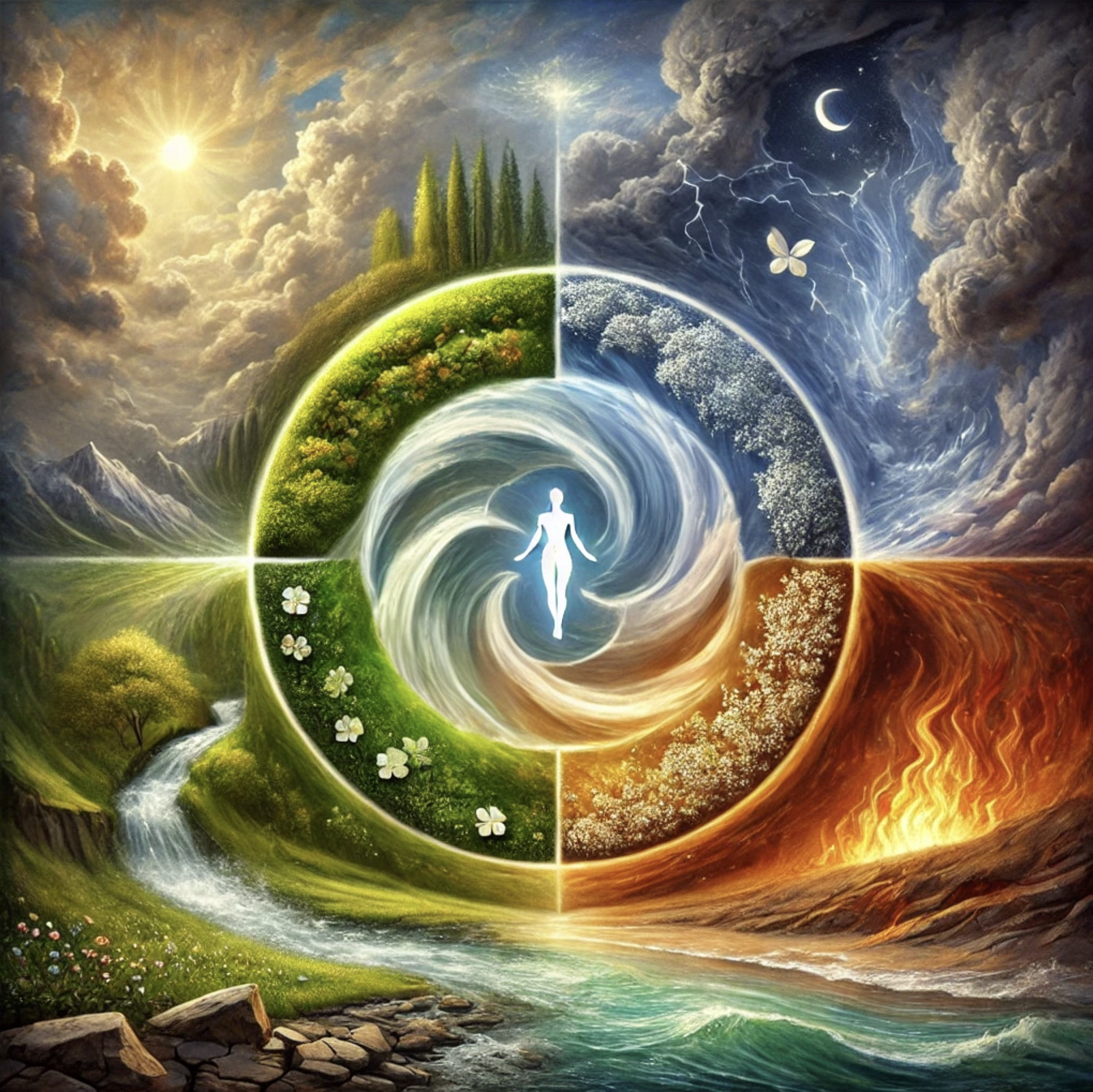
When developing a truly preventative lifestyle, one that supports long-term vitality rather than merely reacting to illness, the philosophy of the Five Elements — Fire, Earth, Metal, Water, and Wood — offers a profound and practical framework. Rooted in Traditional Chinese Medicine and classical Taoist philosophy, the Five Elements describe not only natural forces in the world around us but also the living processes within the human body.
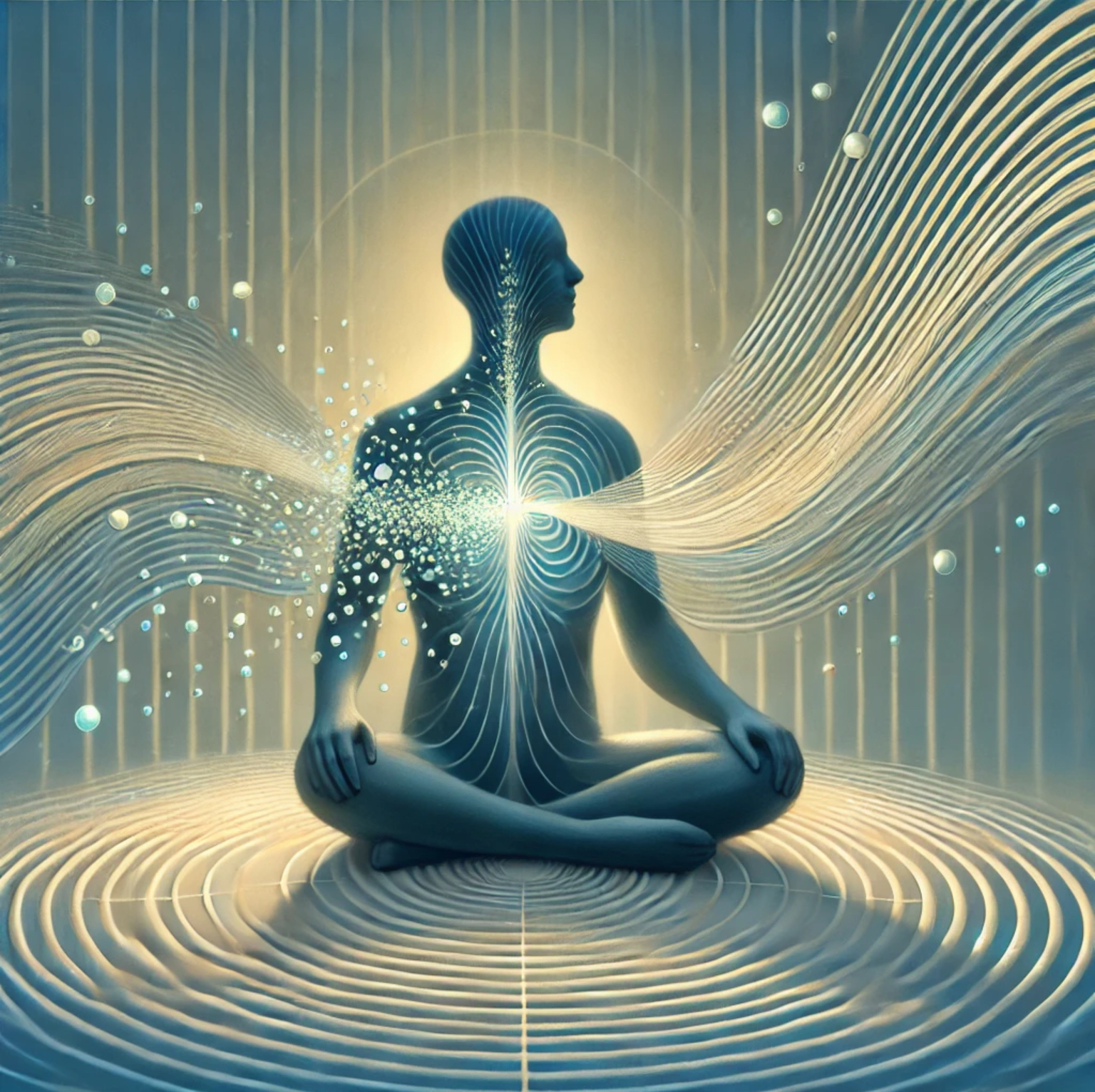
A preventative lifestyle guided by the Five Elements encourages us to live in harmony with cycles of nature, regulate our internal environment, and cultivate balance before imbalance becomes disease. This approach emphasizes daily practices — breath, hydration, movement, awareness, nourishment, and rest — that maintain circulation and internal harmony.
Several books have played an important role in shaping this understanding. Three particularly valuable resources include:
The Tao of Health, Sex, and Longevity by Daniel Reid
This classic text introduces the Taoist approach to longevity and vitality through lifestyle cultivation. Reid explores how the Five Elements relate to the organs, emotions, and energetic rhythms of the body. The book provides practical insights into diet, movement practices, sexual vitality, and breathing techniques that help harmonize the elemental forces within us.
Healing With Whole Foods by Paul Pitchford
Pitchford’s work is a comprehensive guide to using food as medicine through the lens of Traditional Chinese Medicine. The book explains how flavors, cooking methods, and seasonal eating influence the Five Elements and organ systems. It provides practical dietary guidance and recipes designed to strengthen digestion, improve circulation, and maintain long-term health.
The Five Elements of Self-Healing by Jason Elias and Katherine Ketcham
This book focuses on the Five Elements as a map of emotional and psychological balance as well as physical health. It explores how elemental imbalances manifest as stress patterns, emotional tendencies, and physical symptoms. The authors provide exercises and reflective practices that support personal healing and self-awareness.
Together, these resources illustrate how the Five Elements can be applied not as abstract philosophy, but as a living system for preventative health.
The Five Elements Within the Human System
In Chinese philosophy, each element reflects a pattern of movement and transformation within both nature and the body.
Fire — Vitality and Circulation 🔥
Fire represents warmth, enthusiasm, and connection. Within the body it is associated with the heart and circulation, as well as emotional expression and joy. Fire governs the ability to feel inspired and alive. Balanced Fire produces warmth and healthy circulation; excessive Fire creates agitation and restlessness, while deficient Fire may lead to coldness and emotional withdrawal.
Earth — Stability and Nourishment 🌱
Earth represents grounding, nourishment, and support. It is associated with digestion and the transformation of food into usable energy. Earth governs our sense of stability and centeredness. Balanced Earth produces steady energy and emotional reliability; imbalance may show up as fatigue, overthinking, or digestive weakness.
Metal — Structure and Clarity 🌬️
Metal represents refinement, order, and precision. It corresponds to the lungs and the rhythm of breathing. Metal governs clarity of thought and the ability to release what is no longer needed. Balanced Metal produces calm breathing and mental clarity; imbalance may lead to rigidity, grief, or shallow respiration.
Water — Restoration and Adaptability 💧
Water represents depth, stillness, and reserve energy. It is associated with the kidneys and the body’s fundamental vitality. Water governs resilience and the ability to adapt to change. Balanced Water produces endurance and calm confidence; imbalance may manifest as fear, exhaustion, or instability.
Wood — Growth and Direction 🌿
Wood represents expansion, creativity, and purposeful movement. It corresponds to the liver and the smooth flow of energy throughout the body. Wood governs vision and direction in life. Balanced Wood produces flexibility and healthy motivation; imbalance may lead to frustration, tension, or stagnation.
These elements are not isolated systems. They exist in a continuous cycle of support and regulation. When one element becomes excessive or deficient, the others respond. Preventative health involves maintaining the dynamic balance among all five.
The Five Elements in Everyday Life
The Five Elements are not limited to clinical theory. They are visible everywhere in daily experience.
Fire
- The warmth of sunlight on the skin
- The excitement of creative inspiration
- The energy generated during exercise
- The spark of meaningful conversation
Earth
- The nourishment of a home-cooked meal
- The comfort of a stable environment
- The reliability of trusted relationships
- The grounding effect of slow breathing or yoga
Metal
- The clarity of fresh morning air
- The strength of a deep, steady breath
- The order of a clean and organized space
- The precision of music or craftsmanship
Water
- The adaptability of flowing rivers
- The restorative effect of sleep
- The calming influence of bathing or immersion
- The quiet stillness of meditation
Wood
- The growth of plants and trees
- The flexibility of stretching and movement
- The beginning of new ideas and projects
- The forward motion of personal development
When we learn to recognize these patterns, we begin to understand that health is not something we acquire — it is something we cultivate.
Circulation as the Foundation of Prevention
Preventative health depends largely on maintaining proper circulation — circulation of blood, fluids, breath, movement, and attention.
Practices such as:
- Conscious breathing
- Adequate hydration
- Daily movement
- Postural awareness
- Emotional regulation
- Visualization and meditation
help maintain the free flow of energy throughout the body. When circulation is supported, the organs function more efficiently, the nervous system becomes more regulated, and recovery happens more naturally.
These practices align closely with the foundational principles of:
Awareness
Breath
Positioning
Movement
Hydration
Together, these principles form a practical pathway for maintaining elemental balance.
A Framework for Lifelong Health
As a practitioner of metaphysics and integrative medicine, I view the Five Elements not simply as a medical theory but as a map for conscious living. They remind us that the human body is not separate from nature but is an expression of nature.
A preventative lifestyle includes:
- Whole, nourishing foods
- Regular physical activity
- Adequate sleep and recovery
- Stress regulation
- Meaningful relationships
- Mental clarity
- Emotional balance
- Spiritual awareness
Through the lens of the Five Elements, we learn to recognize imbalance early and make small adjustments before illness develops.
The goal is not perfection, but harmony.
When we learn to live in alignment with these elemental rhythms, we begin to experience health not as something fragile, but as something stable, renewable, and deeply rooted in the natural order of life.